I would like to post this "essay"/poem here, after a chess player had asked me if I had read it....and....I do like it!!
Thanatopsis
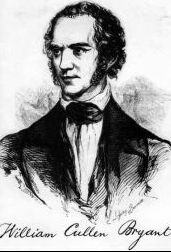
by William Cullen Bryant
To him who in the love of Nature holds
Communion with her visible forms, she speaks
A various language; for his gayer hours
She has a voice of gladness, and a smile
And eloquence of beauty, and she glides
Into his darker musings, with a mild
And gentle sympathy, that steals away
Their sharpness, ere he is aware. When thoughts
Of the last bitter hour come like a blight
Over thy spirit, and sad images
Of the stern agony, and shroud, and pall,
And breathless darkness, and the narrow house,
Make thee to shudder, and grow sick at heart;--
Go forth under the open sky, and list
To Nature's teachings, while from all around--
Earth and her waters, and the depths of air,--
Comes a still voice--Yet a few days, and thee
The all-beholding sun shall see no more
In all his course; nor yet in the cold ground,
Where thy pale form was laid, with many tears,
Nor in the embrace of ocean shall exist
Thy image. Earth, that hourished thee, shall claim
Thy growth, to be resolv'd to earth again;
And, lost each human trace, surrend'ring up
Thine individual being, shalt thou go
To mix forever with the elements,
To be a brother to th' insensible rock
And to the sluggish clod, which the rude swain
Turns with his share, and treads upon. The oak
Shall send his roots abroad, and pierce thy mould.
Yet not to thy eternal resting place
Shalt thou retire alone--nor couldst thou wish
Couch more magnificent. Thou shalt lie down
, With patriarchs of the infant world--with kings
The powerful of the earth--the wise, the good,
Fair forms, and hoary seers of ages past,
All in one mighty sepulchre.--The hills
Rock-ribb'd and ancient as the sun,--the vales
Stretching in pensive quietness between;
The vernal woods--rivers that move
In majesty, and the complaining brooks
That make the meadows green; and pour'd round all,
Old ocean's grey and melancholy waste,--
Are but the solemn decorations all
Of the great tomb of man. The golden sun,
The planets, all the infinite host of heaven,
Are shining on the sad abodes of death,
Through the still lapse of ages. All that tread
The globe are but a handful to the tribes
That slumber in its bosom.--Take the wings
Of morning--and the Barcan desert pierce,
Or lost thyself in the continuous woods
Where rolls the Oregan, and hears no sound,
Save his own dashings--yet--the dead are there,
And millions in those solitudes, since first
The flight of years began, have laid them down
In their last sleep--the dead reign there alone.--
So shalt thou rest--and what if thou shalt fall
Unnoticed by the living--and no friend
Take note of thy departure? All that breathe
Will share thy destiny. The gay will laugh,
When thou art gone, the solemn brood of care
Plod on, and each one as before will chase
His favourite phantom; yet all these shall leave
Their mirth and their employments, and shall come,
And make their bed with thee. As the long train
Of ages glide away, the sons of men,
The youth in life's green spring, and he who goes
In the full strength of years, matron, and maid,
The bow'd with age, the infant in the smiles
And beauty of its innocent age cut off,--
Shall one by one be gathered to thy side,
By those, who in their turn shall follow them.
So live, that when thy summons comes to join
The innumerable caravan, that moves
To the pale realms of shade, where each shall take
His chamber in the silent halls of death,
Thou go not, like the quarry-slave at night,
Scourged to his dungeon, but sustain'd and sooth'd
By an unfaltering trust, approach thy grave,
Like one who wraps the drapery of his couch
About him, and lies down to pleasant dreams.
1814
Bryant first wrote this poem when he was about 17, after reading the British "graveyard poets" (e.g. Thomas Gray, "Elegy Written in a Country Churchyard" and Robert Blair, "The Grave")and William Wordsworth's Lyrical Ballads. In particular, there are parallels to Wordsworth's Lucy poems, especially "A Slumber Did My Spirit Seal":
A slumber did my spirit seal;
I had no human fears:
She seemed a thing that could not feel
The touch of earthly years.
No motion has she now, no force;
She neither hears nor sees;
Rolled round in earth's diurnal course,
With rocks, and stones, and trees.
Bryant enlarged "Thanatopsis" in 1821, 7 years later, adding the final injunction and giving the poem a kind of religious point. Do you think his youth is part of how he is viewing death at 17? How do you account for the change? How might he have rewritten it 20 or 50 years later?
Source and read more about Bryant
HERE

by William Cullen Bryant
To him who in the love of Nature holds
Communion with her visible forms, she speaks
A various language; for his gayer hours
She has a voice of gladness, and a smile
And eloquence of beauty, and she glides
Into his darker musings, with a mild
And gentle sympathy, that steals away
Their sharpness, ere he is aware. When thoughts
Of the last bitter hour come like a blight
Over thy spirit, and sad images
Of the stern agony, and shroud, and pall,
And breathless darkness, and the narrow house,
Make thee to shudder, and grow sick at heart;--
Go forth under the open sky, and list
To Nature's teachings, while from all around--
Earth and her waters, and the depths of air,--
Comes a still voice--Yet a few days, and thee
The all-beholding sun shall see no more
In all his course; nor yet in the cold ground,
Where thy pale form was laid, with many tears,
Nor in the embrace of ocean shall exist
Thy image. Earth, that hourished thee, shall claim
Thy growth, to be resolv'd to earth again;
And, lost each human trace, surrend'ring up
Thine individual being, shalt thou go
To mix forever with the elements,
To be a brother to th' insensible rock
And to the sluggish clod, which the rude swain
Turns with his share, and treads upon. The oak
Shall send his roots abroad, and pierce thy mould.
Yet not to thy eternal resting place
Shalt thou retire alone--nor couldst thou wish
Couch more magnificent. Thou shalt lie down
, With patriarchs of the infant world--with kings
The powerful of the earth--the wise, the good,
Fair forms, and hoary seers of ages past,
All in one mighty sepulchre.--The hills
Rock-ribb'd and ancient as the sun,--the vales
Stretching in pensive quietness between;
The vernal woods--rivers that move
In majesty, and the complaining brooks
That make the meadows green; and pour'd round all,
Old ocean's grey and melancholy waste,--
Are but the solemn decorations all
Of the great tomb of man. The golden sun,
The planets, all the infinite host of heaven,
Are shining on the sad abodes of death,
Through the still lapse of ages. All that tread
The globe are but a handful to the tribes
That slumber in its bosom.--Take the wings
Of morning--and the Barcan desert pierce,
Or lost thyself in the continuous woods
Where rolls the Oregan, and hears no sound,
Save his own dashings--yet--the dead are there,
And millions in those solitudes, since first
The flight of years began, have laid them down
In their last sleep--the dead reign there alone.--
So shalt thou rest--and what if thou shalt fall
Unnoticed by the living--and no friend
Take note of thy departure? All that breathe
Will share thy destiny. The gay will laugh,
When thou art gone, the solemn brood of care
Plod on, and each one as before will chase
His favourite phantom; yet all these shall leave
Their mirth and their employments, and shall come,
And make their bed with thee. As the long train
Of ages glide away, the sons of men,
The youth in life's green spring, and he who goes
In the full strength of years, matron, and maid,
The bow'd with age, the infant in the smiles
And beauty of its innocent age cut off,--
Shall one by one be gathered to thy side,
By those, who in their turn shall follow them.
So live, that when thy summons comes to join
The innumerable caravan, that moves
To the pale realms of shade, where each shall take
His chamber in the silent halls of death,
Thou go not, like the quarry-slave at night,
Scourged to his dungeon, but sustain'd and sooth'd
By an unfaltering trust, approach thy grave,
Like one who wraps the drapery of his couch
About him, and lies down to pleasant dreams.
1814
Bryant first wrote this poem when he was about 17, after reading the British "graveyard poets" (e.g. Thomas Gray, "Elegy Written in a Country Churchyard" and Robert Blair, "The Grave")and William Wordsworth's Lyrical Ballads. In particular, there are parallels to Wordsworth's Lucy poems, especially "A Slumber Did My Spirit Seal":
A slumber did my spirit seal;
I had no human fears:
She seemed a thing that could not feel
The touch of earthly years.
No motion has she now, no force;
She neither hears nor sees;
Rolled round in earth's diurnal course,
With rocks, and stones, and trees.
Bryant enlarged "Thanatopsis" in 1821, 7 years later, adding the final injunction and giving the poem a kind of religious point. Do you think his youth is part of how he is viewing death at 17? How do you account for the change? How might he have rewritten it 20 or 50 years later?
Source and read more about Bryant
HERE